Posts

Showing posts with the label #Air Condenser Unit

Choosing the Best Cooling System for Your Lab: Water or Air

Image
At some point, every lab manager has to make this choice. Your old cooling unit stops working, and you're looking at spec papers trying to decide what to do. Both air cooling and water cooling keep samples cold, but they do it in very different ways. How Labs Use Air Cooling Consider your air conditioner at home. Air-cooled condensing unit systems work in the same way. A fan moves air over coils that are full of refrigerant. The cold air moves about your storage area while the hot air is forced outside. These devices need good air circulation around them. You can't just shove them into tight spaces and expect them to work well. Most labs put them in places where there is at least three feet of space on all sides. The good news? You connect them and they work. There are no water lines to connect. No need to keep pumps running. Most of the time, any HVAC technician can fix something that breaks. How Water Cooling Systems Work Water cooling works differently. Water runs through th...

Key Factors in Condensing Unit Service Life

Image
Your air-cooled condensing unit sits outside year-round, working hard to keep your home comfortable. But some units last decades while others break down after just a few years. What makes the difference? Location Matters More Than You Think Where you place your unit changes everything. Units sitting in direct sunlight all day work twice as hard. The constant heat beats down on components, wearing them out faster.  Shade helps, but not from shrubs or fences too close by. Your unit needs airflow. Pack plants around it, and you're choking off the circulation it needs to breathe.  Salt air near the ocean? That's tough on metal parts. The corrosion creeps in slowly but surely. Clean Coils Mean Happy Units Dirty coils kill condensing units faster than almost anything else. When dirt, leaves, and grime coat the coils, your system can't release heat properly. Think about it this way - you're asking your unit to work in a heavy winter coat during summer. Something's got to...

Metal vs Plastic AC Drain Pans: Which Is Best

Image
Your air conditioner works hard to keep you cool, but it also makes water by condensing air. Drain pans are what you need to catch that water. Choosing between metal and plastic is not a significant consideration. Why it matters which drain pan you choose People don't worry about their AC drain pan until something goes wrong. If a pan cracks or rusts, it can cause water damage that costs thousands to fix. The condensate drain pan is under your indoor unit and catches all the water that your AC pulls from the air. Your system may accumulate several gallons every day in the summer. You should know this about both choices. Plastic Drain Pans: The Best Value The first cost of plastic pans is lower. Most new air conditioners have them since they are cheaper to make. It looks like a win that they won't rust. Plastic can hold moisture without breaking down chemically. But plastic has several problems:  Temperature fluctuations cause cracks to form over time UV light makes them fragi...

Key Factors in Condensing Unit Service Life

Image
Your air-cooled condensing unit sits outside year-round, working hard to keep your home comfortable. But some units last decades while others break down after just a few years. What makes the difference? Location Matters More Than You Think Where you place your unit changes everything. Units sitting in direct sunlight all day work twice as hard. The constant heat beats down on components, wearing them out faster. Shade helps, but not from shrubs or fences too close by. Your unit needs airflow. Pack plants around it, and you're choking off the circulation it needs to breathe. Salt air near the ocean? That's tough on metal parts. The corrosion creeps in slowly but surely. Clean Coils Mean Happy Units Dirty coils kill condensing units faster than almost anything else. When dirt, leaves, and grime coat the coils, your system can't release heat properly. Think about it this way - you're asking your unit to work in a heavy winter coat during summer. Something's got to gi...

Understanding What Is a Condensing Unit and Why It Powers Every Cooling System

Image
Whether you're running an HVAC system in a commercial building, managing industrial refrigeration, or operating a simple home air conditioner, you've likely come across the term “ condensing unit .” But exactly what is a condensing unit , and why is it so important in modern cooling systems? A condensing unit is the heart of any refrigeration or air conditioning system. Its primary role is to release heat from the refrigerant, allowing the cycle of cooling to continue. This unit houses three critical components: the compressor, the condenser coil, and the fan. Together, they compress the refrigerant, remove unwanted heat, and prepare it for the next cooling cycle. At Craft Group , we engineer and supply a variety of high-efficiency condensing units tailored for different commercial and industrial applications. Whether it's for HVAC, cold storage, or food production facilities, our systems are designed with long-term reliability and energy performance in mind. What makes ...

At What Temperature Do Restaurant Refrigerators Work?

Image
Have your food items ever faced quick decay despite fresh purchase? Many store food incorrectly, which leads to major waste costs daily. Your profit goals could truly suffer from improper cooling usage. This guide helps solve these exact issues while saving that extra money through proper temperature knowledge. The Ideal Temperature Range Setting your fridge units below forty degrees keeps foods truly fresh longer. Your daily sales might fully depend upon these exact numbers.  Foods start their decay cycle above this magic point quite fast. Most health codes state clear rules about these exact ranges nationally. Restaurant Refrigerators must score below this forty mark during every check visit. Key temperature facts you should know: General food areas need 38°F to 40°F Dairy items require lower temperatures, around 36°F Meats store fresh between 32°F and 36°F Fresh fruits are ideally placed around 38°F to 40°F Freezer areas must reach 0°F or below Different Types Need Different Se...

7 Simple Tricks to Organize Your Commercial Refrigerator

Image
Ever look in your fridge and feel as if you’re searching through an overstuffed closet? Spoiled food, lost ingredients, and messy shelves aren’t merely annoying, they’re a waste of time and money. Cleaning your commercial refrigerators  doesn’t have to be a third job.  Develop a few savvy habits, and you’ll save money, decrease stress, and keep things moving along. Here are seven easy steps to transform that chaos into order. Start With a Clean Slate The fridge is gross, sure, but it is also a breeding ground for bacteria. Dedicate 15 minutes each week to throwing out expired items and wiping down shelves. For sticky messes, use a combination of vinegar and water; it wipes up grease without the chemical burn. Pro tip: Cleanouts can be scheduled before new arrivals come. So you can never overstock, and you can never forget what’s sitting in the back. Zone Out for Better Flow Organizing is just what it is: grouping similar things. Designate shelves: dairy here, meats there, ready-to...

What Is an HVAC System: Guide to Know Everything

Image
In the realm of commercial and industrial applications, HVAC system plays an indispensable role in ensuring optimal environmental conditions for productivity, safety, and energy efficiency. HVAC, which stands for Heating, Ventilation, and Air Conditioning, is  comprehensive system designed to control indoor climate by managing temperature, humidity, and air quality.  Whether you are managing a manufacturing plant, a corporate office, or a data center, understanding HVAC systems is essential to making informed decisions about installation, maintenance, and upgrades. What Does an HVAC System Do? An HVAC system is designed to provide thermal comfort and maintain indoor air quality. Here’s how it functions: Heating: In colder months, HVAC systems generate heat through boilers, furnaces, or heat pumps. This heat is then distributed via ductwork or radiant heating systems. Ventilation: Proper ventilation ensures a steady flow of fresh air while expelling stale or polluted air. Thi...

How Do Commercial Refrigerators Improve Your Kitchen?

Image
A kitchen sometimes may feel like a battleground when you're juggling orders, prepping ingredients, and keeping things running smoothly. Amid all this chaos, your refrigerator can make or break your operation. A commercial refrigerator is not just a box to keep food cold; it is a powerful tool that changes how your kitchen works. So, how does it make such a difference? Let's dig in. Freshness Remain Longer  You know that fresh ingredients are important in good food. A commercial refrigeration system is to preserve constant temperatures even when your kitchen warms up.  Unlike other standard fridges, commercial refrigeration is built to withstand heavy-duty usage. They recover after lots of openings of the doors, maintaining meats and dairy and produce fresher longer. With better temperature control, your food stays safe and flavorful. This reliability reduces waste, saving money and time spent replacing spoiled goods.   Handles Large Storage Needs   Ever f...

AC Compressor vs. Condenser: Understanding the Difference and Replacement Tips

Image
The air conditioning system in your home or vehicle consists of several components that work together to ensure efficient cooling. Among these, the AC compressor and the condenser are vital. Although they are interconnected, their functions are distinct. Here’s what you need to know about the differences between these two components , their roles, and when and how to replace them. AC Compressor: The Heart of Your AC System The AC compressor acts as the heart of your air conditioning system. Its primary function is to circulate refrigerant through the system by compressing the gas into a high-pressure, high-temperature state. This step is crucial because it prepares the refrigerant for the heat exchange process in the condenser. Key Features of an AC Compressor Functionality: Compresses refrigerant and sends it to the condenser. Placement: Usually located near the engine in vehicles or in the outdoor AC unit in homes. Common Issues: Electrical faults, clutch failure, or mechanical wear ...

How to Choose the Right Commercial Refrigeration System?

Image
Well, did you know that choosing the wrong type of cooling can cost your business thousands of dollars in wasted energy and spoiled inventory? To most business owners, the lowball price up-front is the only thing that matters when buying commercial refrigeration equipment, but the excellent system affects everything from day-to-day operations to long-term profit. Space Requirements Measure carefully the available space first. Refrigeration equipment size must be equal to space; there has to be room for ventilation, door clearance, and staff moving patterns. A kitchen in the crowd leads to accidents and slow service. Temperature Needs Whereas the cooling of different products varies, so also do their temperature requirements. Fresh produce, frozen goods, and dairy have specific requirements. Modern commercial refrigeration equipment encompasses multiple zones of temperature. The feature helps various items to be stored in the right environment at the same time. Energy efficiency is ens...

How To Access My Water Cooled Condensing Unit Warranty?

Image
Do you want to get your Water Cooled Condensing Unit warranty rights but you do not know how to go about it? There is no need to panic! We will assist you. About any warranty or a claim – sometimes, the documentation can be quite overwhelming, and the steps you must follow can be perplexing. One can follow certain easy procedures and get the cover that is entitled to you. So, let us see what they are. Access The Water Cooled Condensing Unit Warranty - Here's How Check Purchase Documents First things first—dig up those original purchase documents. When you bought your Condensing Unit, you likely received paperwork or a receipt with warranty details. Without the original paperwork, the company cannot help you much. There are certain alternatives that can be taken but it's better to have other documents as well for identity verification in case they are required. Locate Warranty Information Go back to your purchase papers or product manual. A warranty card or booklet that specifi...

How your unit condenser keeps Your Home Air Fresh and Healthy

Image
  Have you ever walked into your house after being outside all day hoping for a cool, refreshing breeze only to find that it feels stuffy and stale? We all have these moments where we wonder what can be done so that throughout the day our homes consistently smell nice and inviting. The answer might surprise you: The unsung hero is often the condenser unit in your home. The Science Behind It All: Freshening Up Your Living Space With Science! But first things first- what happens when we say “freshening up your living space with science?” Well let’s take a look at how this works. If you want to know how anything works in your home that makes it always feel fresh then understanding what role condensing air plays is key; more specifically speaking about what role condensing THE outside air into THE house through appliances such as A/C units does. The very first step is quite simple actually–an outdoor unit condenses warmer interior atmospheres which are full of pollutants (dirt), and al...

Is a Chiller a Condensing Unit?

Image
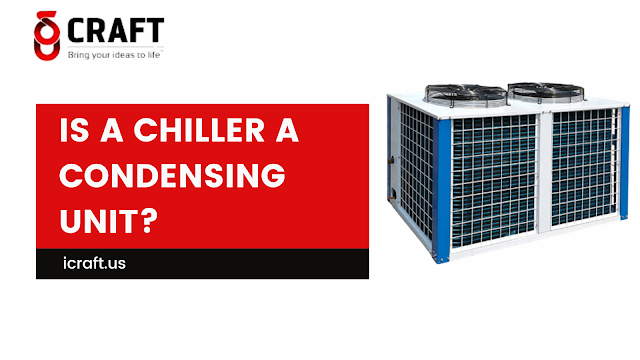
So, you are in the market looking for some cooling solutions and keep coming across these terms – chillers and condensing units. Naturally, you might be wondering, are they the same thing? Well, hop in as we dissect these terms in a way that’s as cool and refreshing as a breeze on a hot summer day. What’s in a Name? First off, understanding each component is crucial. And yeah, the terminology can be as tricky as getting that last bit of toothpaste out of the tube. Chillers : Think of chillers as the big bosses of cooling. They are like a cold heart, pumping chilled water or another coolant through a system to pull heat out of spaces or processes. They do this through a cycle involving evaporation, condensation, and compression. Condensing Units : On the flip side, the condenser is an outdoor component of your cooling system. It’s where the magic of condensation happens, turning refrigerant vapor back into liquid. The condensing unit houses the compressor, the condenser coil, and t...

Why is My Air Condenser Unit Leaking Water?

Image
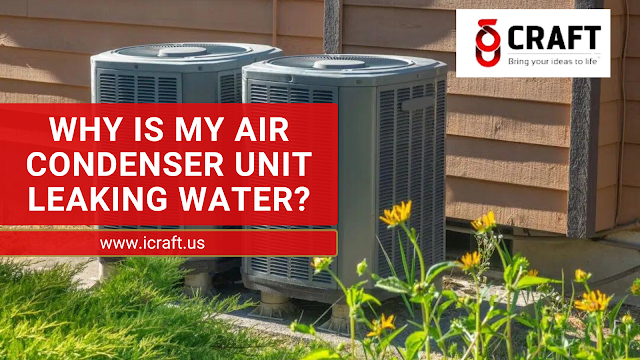
A leaking AC can damage the walls, and the internal electric circuit and even cause temperature fluctuations at different times of the day. Fortunately, it is often easy to detect a leak and even schedule repairs, many of which are remarkably affordable. Want to know the common causes of an AC leak? Keep reading! Common Causes Of Water Leakage in Condensing Units Air Condensing systems are pretty reliable and durable. However, sometimes they trouble us with functional problems like leaking water due to these 4 common causes. Drainage Clogging This is hands down the most common reason behind an AC that is leaking water. When the drain is clogged, water from the Drain Pan overflows into other parts of the system and starts falling from any open slit on the hardware. A clogged drainage is usually caused by large particles of dust, debris and even algae. The best way to remove this at home is to suck out the drain pipe using a wet vacuum. A dry vacuum also works but you need to be more car...

Why does the condensing units blow cold air?

The condensing units of an air conditioning system do not produce cold air; rather, it is responsible for transferring heat from inside your home to the outside environment. Here's why the condensing units may seem to be blowing cold air: Cooling Effect from Evaporator Coil : The air conditioning process starts with the evaporator coil inside your home. This coil collects heat from interior air and cools it in the process. The cooled air is subsequently recirculated into your living space via the air ducts. Heat Removal by Condensing Unit : The absorbed heat from indoor air is transferred to the refrigerant that circulates throughout the air conditioner's system. The refrigerant transports heat to the outside condensing unit. Condensing Process : In the condensing unit, heat is released into the outside air to condense the heated refrigerant gas back into a liquid condition. As the refrigerant dissipates heat, the coils in the condensing unit may feel warm.   Air Movement : A...

What's the best chemical to put in an A/C condensation pan to prevent drain flies from spawning there?

To prevent drain flies from spawning in an A/C condensation pan , one effective chemical to use is a biocide specifically designed to control microbial growth in condensate pans. Look for biocides that are safe for use in HVAC systems and effective against bacteria and fungi that can attract drain flies. One commonly used chemical for this purpose is an algaecide/biocide combination that can inhibit the growth of organic matter and microbial biofilms in the condensation pan. Always follow manufacturer instructions and safety guidelines when applying any chemicals in HVAC systems. Additionally, regular cleaning and maintenance of the condensation pan and drain line are crucial in preventing drain fly infestations.

How Can I Prevent Rust and Corrosion in My Condensate Drain Pan?

Preventing rust and corrosion in your condensate drain pan is essential to maintain the efficiency and longevity of your HVAC system. Here are some effective strategies to prevent rust and corrosion: Regular Maintenance: Implement a regular maintenance schedule for your HVAC system, including cleaning and inspecting the condensate drain pan . Remove any debris or buildup that could contribute to corrosion. Keep the Pan Clean: Ensure the condensate drain pan is kept clean and free from dirt, dust, and organic matter. Regularly clean the pan with a mild detergent and water to prevent the accumulation of contaminants that can lead to corrosion. Use Algaecide Tablets: Place algaecide tablets or strips in the condensate drain pan to inhibit the growth of algae, mold, and bacteria. These microorganisms can accelerate corrosion by producing acidic byproducts. Install a Pan Treatment System: Consider installing a pan treatment system that releases a corrosion inhibitor into the condensate ...