Posts

Why a Walk-in Cooler Condensing Unit is a Must-Have for Your Dairy Farm

Image
A dairy farm is one of the most versatile and innovative agriculture ventures you can ever get into. It brings us closer to many animals, traditional food cultures, and creative storage practices for the unique goods we create every day.  A sustainable dairy farm uses energy-efficient storage methods - and one of the main ways of making this happen is the walk-in cooler condensing unit . Not sure if this can be a good option for you? Read on to find out what kind of dairy farms typically benefit from this investment. How Does a Walk-in Condenser Unit Help Increase Profitability?  A walk-in condensing unit uses a refrigerant that absorbs heat from the walk-in space and then releases it outside. On the flip side, condensing air flows inside the walk-in space keeping all items chilled. This cycle maintains a consistently cool temperature for stored goods. One of the main beauties of such a condenser is the fact that it can store a large variety of goods in one place, reducing ove...

How your unit condenser keeps Your Home Air Fresh and Healthy

Image
  Have you ever walked into your house after being outside all day hoping for a cool, refreshing breeze only to find that it feels stuffy and stale? We all have these moments where we wonder what can be done so that throughout the day our homes consistently smell nice and inviting. The answer might surprise you: The unsung hero is often the condenser unit in your home. The Science Behind It All: Freshening Up Your Living Space With Science! But first things first- what happens when we say “freshening up your living space with science?” Well let’s take a look at how this works. If you want to know how anything works in your home that makes it always feel fresh then understanding what role condensing air plays is key; more specifically speaking about what role condensing THE outside air into THE house through appliances such as A/C units does. The very first step is quite simple actually–an outdoor unit condenses warmer interior atmospheres which are full of pollutants (dirt), and al...

Is a Chiller a Condensing Unit?

Image
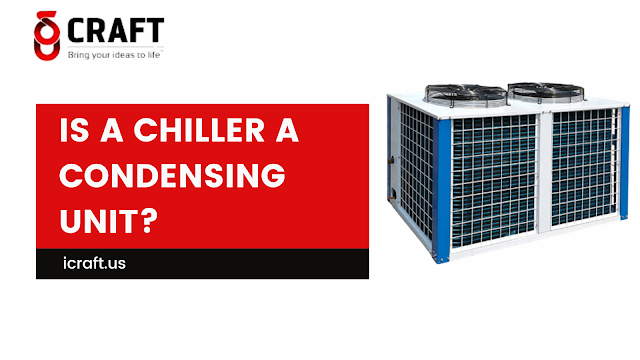
So, you are in the market looking for some cooling solutions and keep coming across these terms – chillers and condensing units. Naturally, you might be wondering, are they the same thing? Well, hop in as we dissect these terms in a way that’s as cool and refreshing as a breeze on a hot summer day. What’s in a Name? First off, understanding each component is crucial. And yeah, the terminology can be as tricky as getting that last bit of toothpaste out of the tube. Chillers : Think of chillers as the big bosses of cooling. They are like a cold heart, pumping chilled water or another coolant through a system to pull heat out of spaces or processes. They do this through a cycle involving evaporation, condensation, and compression. Condensing Units : On the flip side, the condenser is an outdoor component of your cooling system. It’s where the magic of condensation happens, turning refrigerant vapor back into liquid. The condensing unit houses the compressor, the condenser coil, and t...

Why is My Air Condenser Unit Leaking Water?

Image
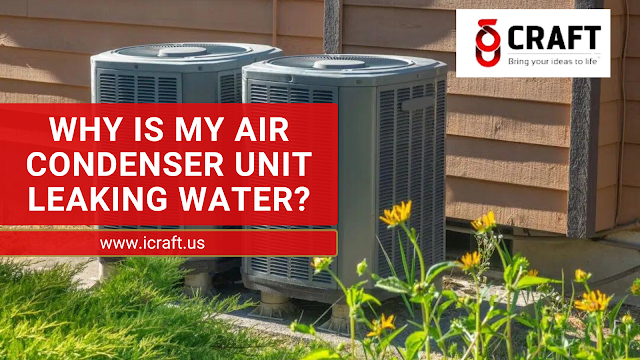
A leaking AC can damage the walls, and the internal electric circuit and even cause temperature fluctuations at different times of the day. Fortunately, it is often easy to detect a leak and even schedule repairs, many of which are remarkably affordable. Want to know the common causes of an AC leak? Keep reading! Common Causes Of Water Leakage in Condensing Units Air Condensing systems are pretty reliable and durable. However, sometimes they trouble us with functional problems like leaking water due to these 4 common causes. Drainage Clogging This is hands down the most common reason behind an AC that is leaking water. When the drain is clogged, water from the Drain Pan overflows into other parts of the system and starts falling from any open slit on the hardware. A clogged drainage is usually caused by large particles of dust, debris and even algae. The best way to remove this at home is to suck out the drain pipe using a wet vacuum. A dry vacuum also works but you need to be more car...

What is Supermarket Refrigeration, and why is it important?

Refrigeration keeps store perishables like meat, dairy, and fruit fresh and safe for shoppers. It is necessary because it extends the shelf life of certain products, which would otherwise spoil quickly. Supermarket refrigeration helps to keep the food at a consistent temperature, which is essential for food safety. Supermarket refrigeration can also be used to keep non-perishable commodities like beverages cool. There are several types of refrigeration systems, each with advantages and downsides. The most important consideration when selecting a refrigeration system is ensuring that it can satisfy the specific needs of the supermarket.

R290 Refrigeration System vs Conventional Refrigerators: A Comparison

Image
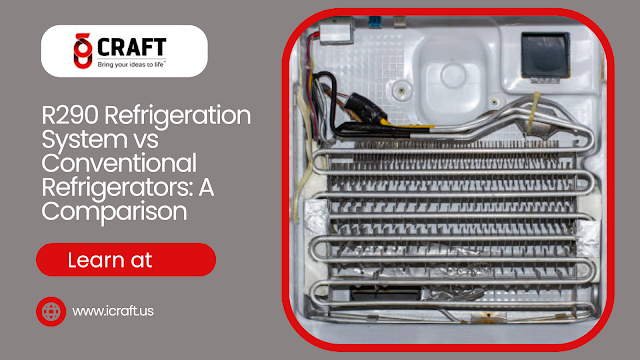
With the increased globalization of brands as well as consumer cultures, refrigeration needs are expanding at a massive rate. At the same time, it has become a collective human need to reduce carbon emissions as much as possible - and this is exactly where the cost-effective R290 refrigeration system comes in! These machines use propane as a refrigerant, which is environmentally friendly and has low global warming potential. Defining R290 Gas: How Does Propane Work as a Refrigerant? Before being included in refrigeration units, Propane, or R290 undergoes a cycle of compression, condensation, expansion, and evaporation that turns it into a coolant. As compressed propane cools and condenses, it releases heat and transforms into a liquid. When the liquid expands, it cools down rapidly, absorbing heat from its surroundings at such a great intensity that the surroundings fall below zero.  A small amount of propane can go a long way, making it a very durable solution for shipments that ...

Why does the condensing units blow cold air?

The condensing units of an air conditioning system do not produce cold air; rather, it is responsible for transferring heat from inside your home to the outside environment. Here's why the condensing units may seem to be blowing cold air: Cooling Effect from Evaporator Coil : The air conditioning process starts with the evaporator coil inside your home. This coil collects heat from interior air and cools it in the process. The cooled air is subsequently recirculated into your living space via the air ducts. Heat Removal by Condensing Unit : The absorbed heat from indoor air is transferred to the refrigerant that circulates throughout the air conditioner's system. The refrigerant transports heat to the outside condensing unit. Condensing Process : In the condensing unit, heat is released into the outside air to condense the heated refrigerant gas back into a liquid condition. As the refrigerant dissipates heat, the coils in the condensing unit may feel warm.   Air Movement : A...